
Who is Carl Jung?
The Swiss psychiatrist whose exploration of the unconscious transformed our understanding of the human psyche.
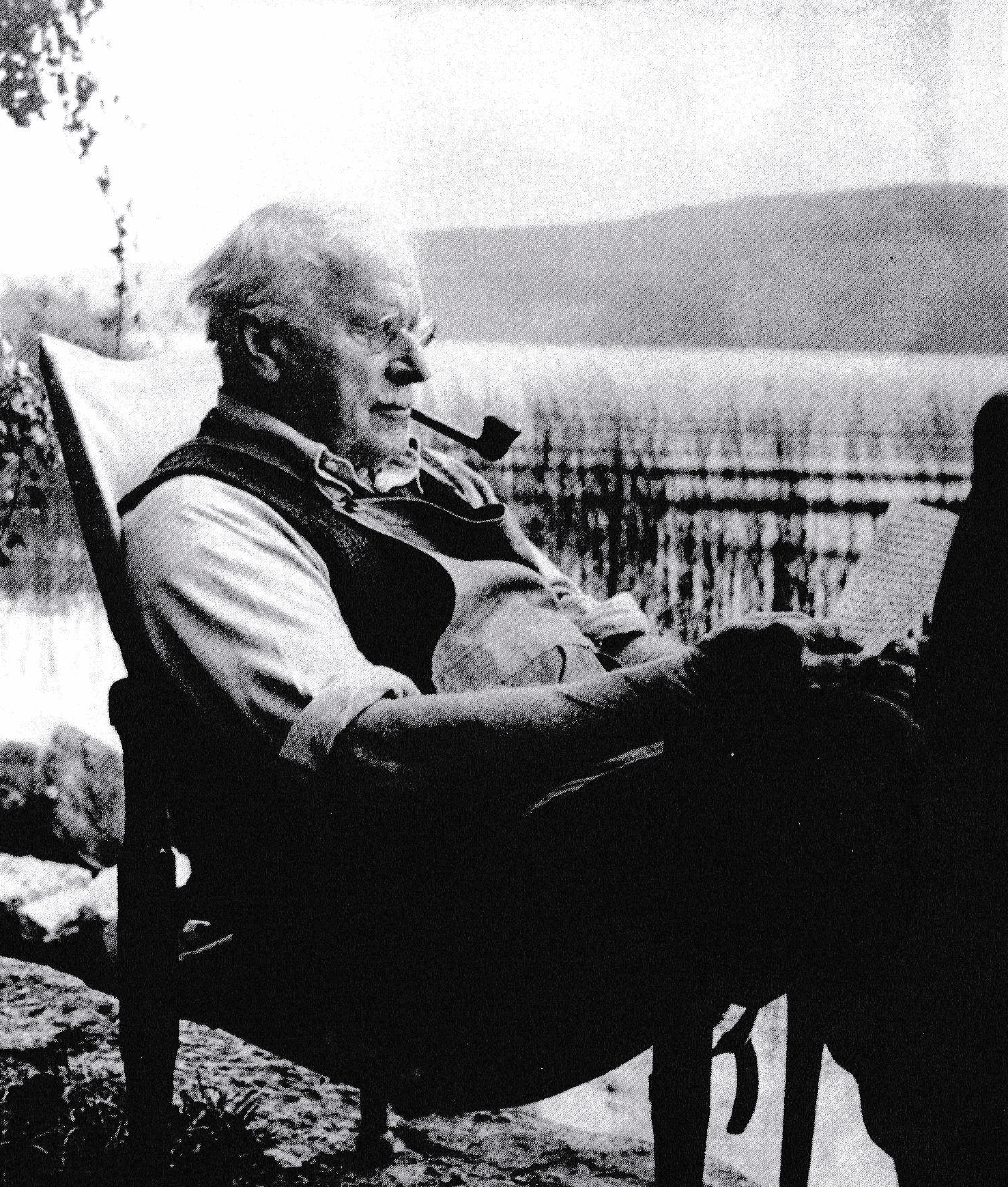
Carl Gustav Jung (1875–1961) was a Swiss psychiatrist and psychoanalyst whose work fundamentally shaped modern depth psychology. His investigations into the unconscious, dreams, mythology, and the structure of the psyche opened pathways to self-understanding that continue to influence psychology, psychotherapy, and culture worldwide.
Jung called his approach analytical psychology to distinguish it from other schools of thought. He believed psychological exploration should honor the full complexity of human experience—including dimensions of meaning, creativity, and spirituality that other approaches often set aside.

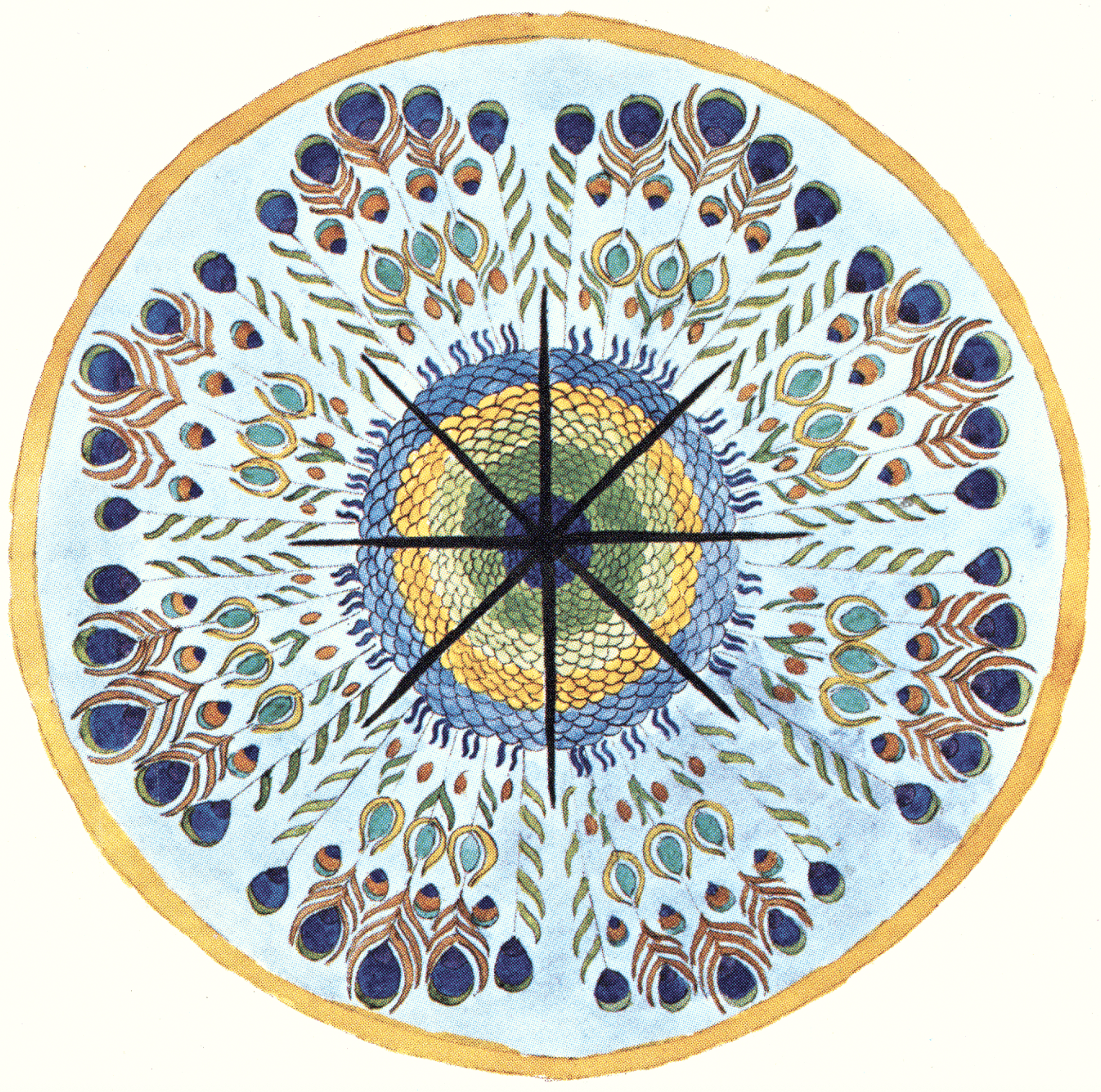

The Collective Unconscious
Beyond the personal unconscious—unique to each individual—Jung proposed a deeper layer of the psyche shared by all humanity. This collective unconscious contains universal patterns and images that appear across cultures and throughout history.
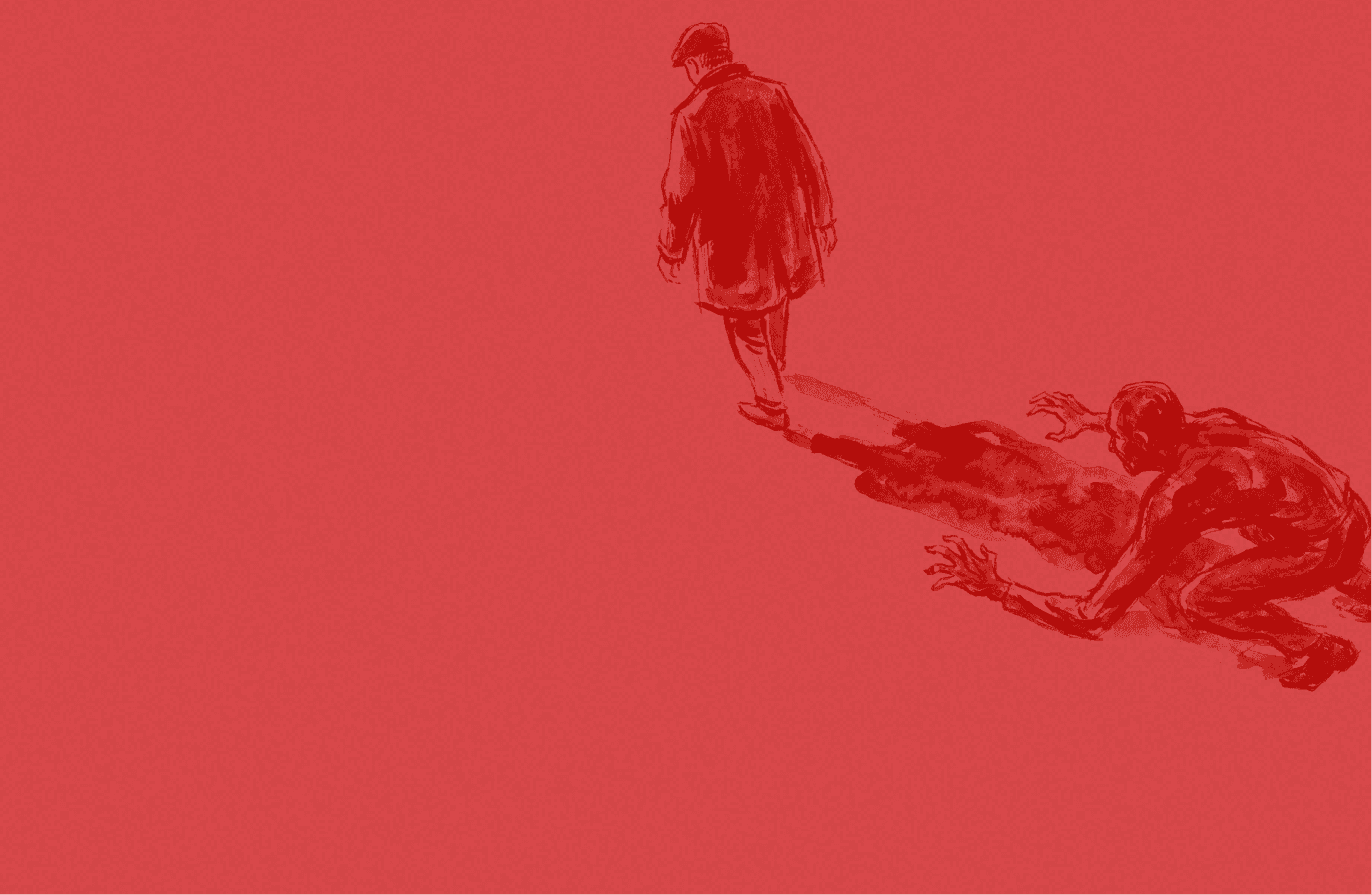
Archetypes
These universal patterns—the Shadow, the Anima and Animus, the Self, the Mother, the Hero, and others—emerge in dreams, myths, and creative expression across all cultures. They represent fundamental modes of human experience.

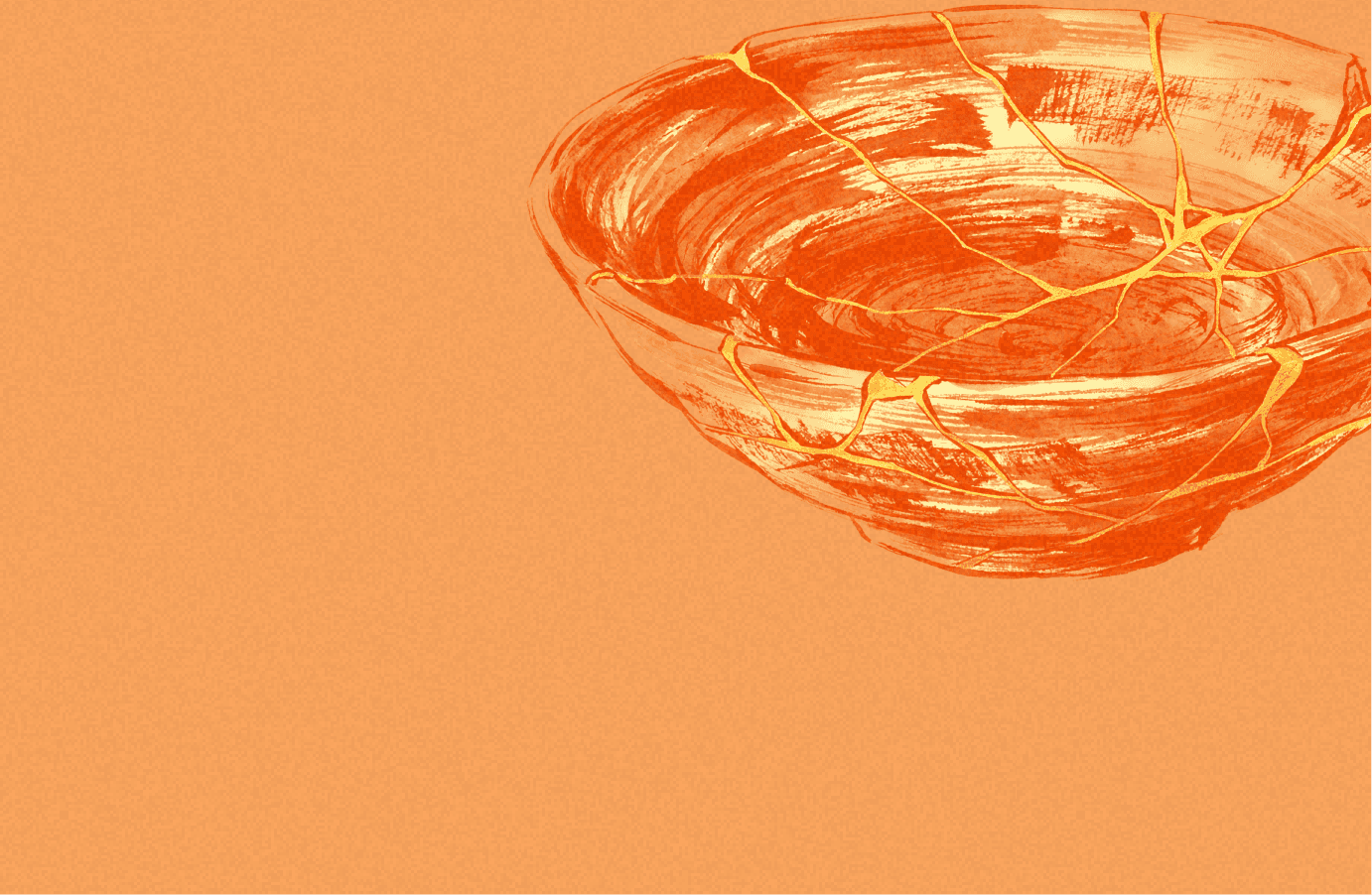
Individuation
Jung described individuation as the lifelong process of becoming who one truly is—integrating unconscious aspects of the personality with conscious awareness to achieve greater wholeness. This developmental journey, rather than symptom relief alone, is the ultimate aim of analytical psychology.
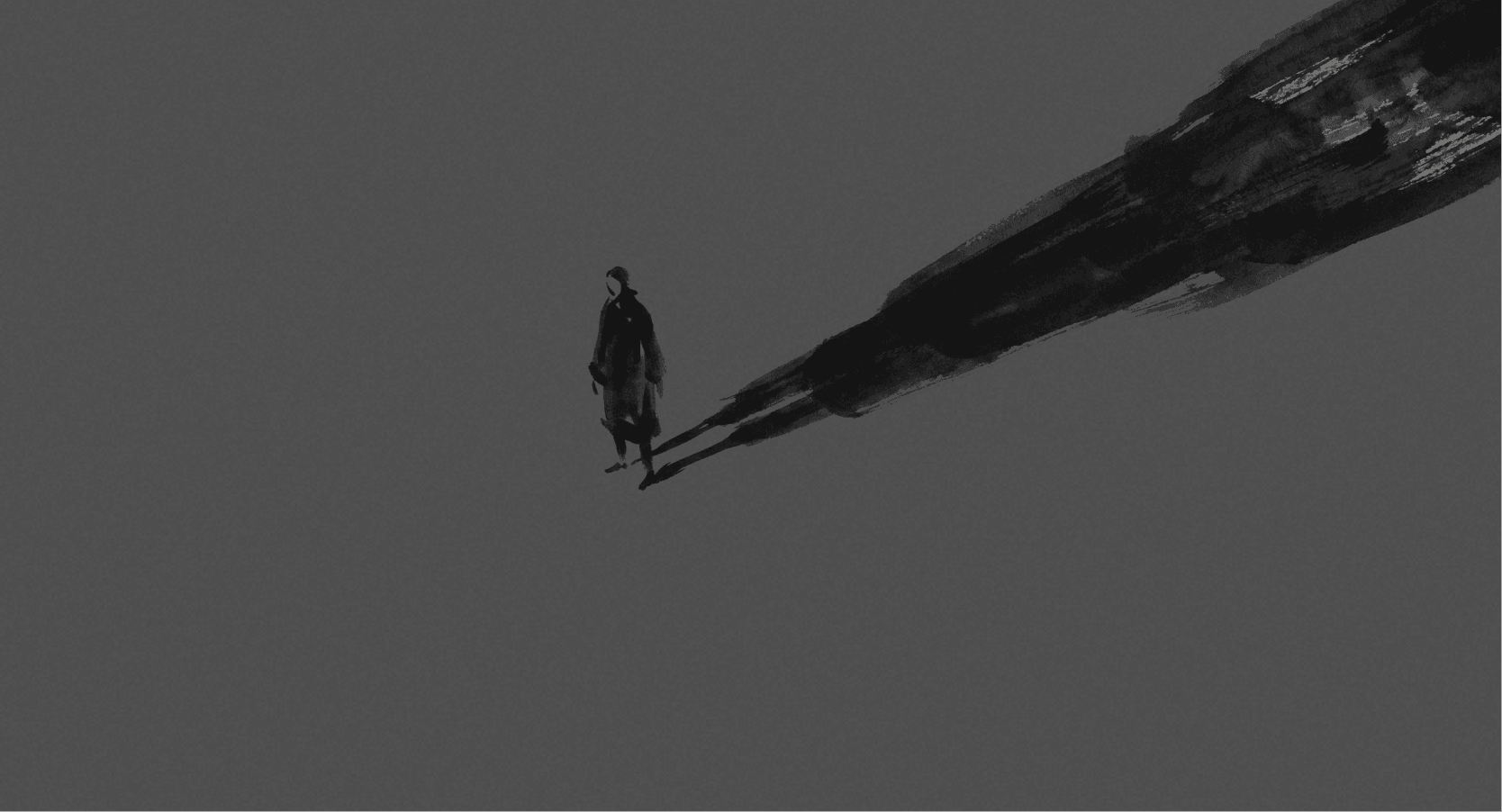
The Shadow
Jung recognized that each person carries a shadow—those aspects of oneself that remain unconscious, denied, or undeveloped. Integrating the shadow, rather than projecting it onto others, is essential for psychological maturity.
Later Work and Legacy- A Living Tradition
Jung remained intellectually active throughout his long life, publishing major works into his eighties. His interests expanded to include alchemy, synchronicity, Eastern philosophy, and the psychology of religion—all understood as expressions of universal psychological processes.
His influence extends far beyond clinical practice. Writers, artists, filmmakers, and scholars across disciplines have drawn on his ideas. Concepts like introversion and extraversion, the collective unconscious, and archetypes have entered everyday language. Today, Jungian analysis is practiced globally through training institutes on every continent, united through the International Association for Analytical Psychology (IAAP). Jung's work continues to evolve as contemporary analysts integrate his foundational insights with new clinical understanding and cultural perspectives.
" transform="translate(18.665 8.167)" width="5.833316363636367px"/><path d="M 0 0 L 21 0" fill="transparent" height="1px" id="hncPlcg4S" stroke-dasharray="" stroke-linecap="round" stroke-linejoin="round" stroke-width="0.76" stroke="rgb(0, 0, 0)" transform="translate(3.5 14)" width="20.999999999999996px"/></svg>)